Early Harvest: Five Ways to Get the Most from Your Fruit
A few thoughtful adjustments now can improve wine quality, cellar efficiency, and harvest performance throughout the season.
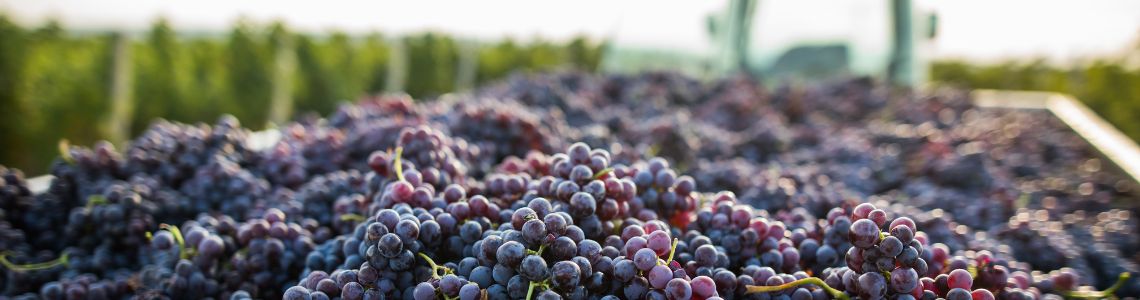
California is experiencing an earlier-than-usual harvest this season, but early harvests are nothing new. Whether driven by weather, vineyard management, or seasonal variation, they remind us that every vintage is different.
An early harvest doesn’t change your goal of producing the highest-quality wine possible. But it does change how you achieve it. When fruit arrives earlier than expected, it often brings different fruit chemistry, tighter production schedules, and less time to react. Protocols that worked perfectly last year may need to be adjusted to match this year’s fruit.
Here are five areas where a few thoughtful adjustments can help you get the most from this year’s fruit:
One of the most common challenges of an early harvest is that grapes may reach the desired sugar level before color and tannin development have fully caught up, particularly in red varieties. The fruit may be ready to pick, but its full color potential is still developing.
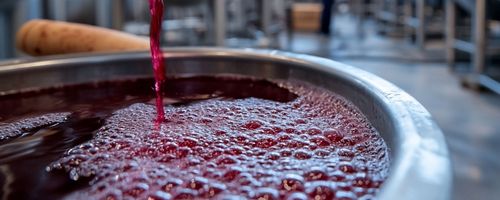
Many wineries try to improve color after fermentation. In reality, the greatest opportunity to influence color occurs much earlier, while color compounds are being extracted from the skins. Protecting that color early is generally far more effective than trying to restore it later.
⭐ WHY IT MATTERS
Color is one of the first characteristics your customers notice.
RECOMMENDATIONS
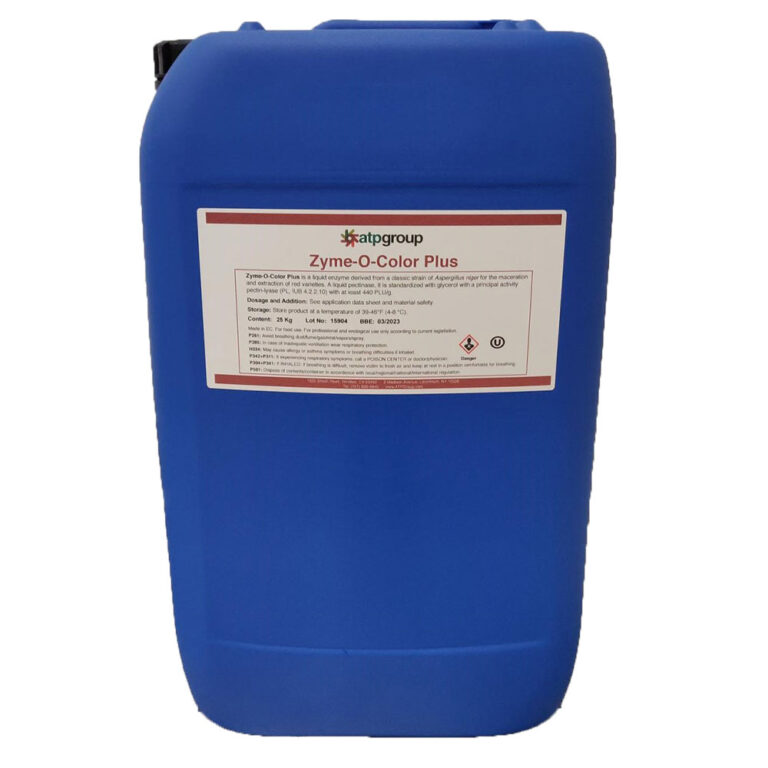
Zyme-O-Color Plusenzymes help release more color and tannins from the grape skins during maceration, maximizing the fruit’s natural color potential.
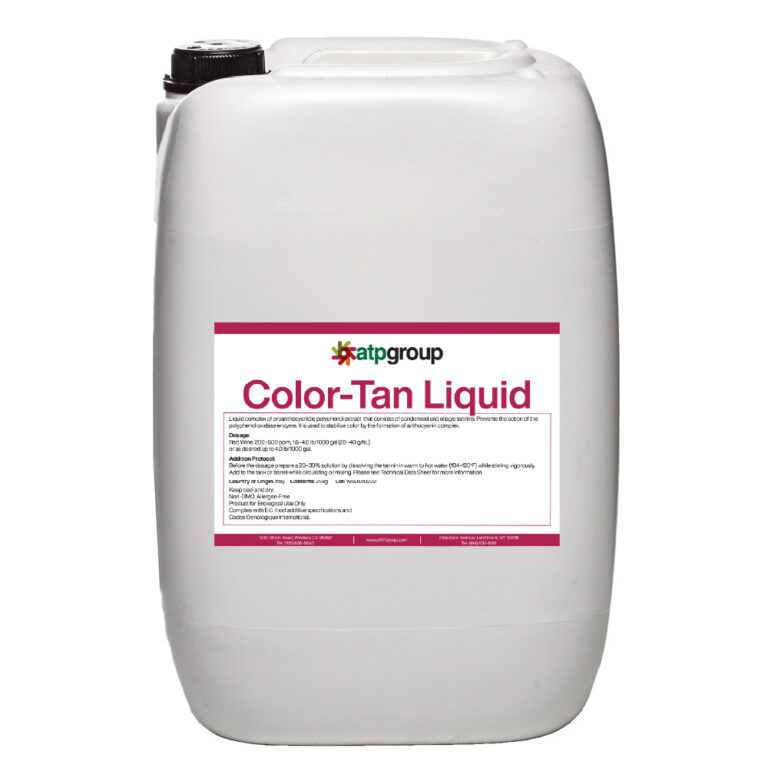
Color-Tantannin helps protect those extracted color compounds during fermentation by promoting the formation of more stable pigments and reducing oxidative color loss.
Used together, they help wineries capture more color early and retain more of it throughout fermentation and aging.
2. Match Your Fermentation Strategy to the Fruit
An early harvest can change how your fruit behaves in the cellar. Nitrogen levels, acidity, and overall fruit composition often vary more than expected, meaning a fermentation program that worked well last year may not produce the same results this vintage.
Instead of relying on a standard protocol, evaluate each lot individually and adjust your fermentation strategy based on the fruit in front of you. Small adjustments before fermentation can help prevent sluggish fermentations, sulfur issues, and inconsistent aroma development later.
⭐ WHY IT MATTERS
Healthy fermentations are much easier to achieve than to rescue.
RECOMMENDATIONS
Select the Fermentis SafOEno™ Yeaststrain best suited to your wine style and fermentation conditions.
Matching yeast and nutrition to each lot helps promote cleaner, more reliable fermentations and better expression of varietal character.
3. Improve Clarification to Keep Harvest Moving
During an early harvest, fruit often arrives over a shorter period of time. Presses run continuously, settling tanks fill quickly, and every hour becomes more valuable.
Clarification isn’t just about producing cleaner juice. It’s also one of the best ways to improve cellar efficiency. Faster settling means quicker tank turnover, reduced lees losses, and fewer bottlenecks as harvest reaches its peak.
⭐ WHY IT MATTERS
When settling takes longer than expected, the effects can ripple through the entire cellar, slowing fruit processing and tying up valuable tank space.
RECOMMENDATIONS
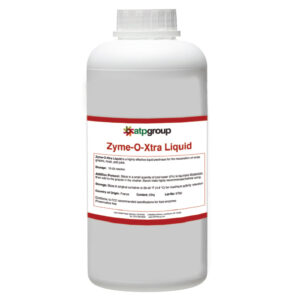
Zyme-O-Clear Plusenzymes help improve settling under normal harvest conditions.
Both enzymes break down pectin to promote faster, more complete settling, helping wineries produce cleaner juice, reduce lees volume, and free up valuable tank space during the busiest weeks of harvest.
4. Manage Acidity and Balance
Early harvests often produce fruit with uneven ripening. In some vineyards, sugar accumulates faster than flavor and phenolic development, while natural acidity declines more quickly than expected. The result can be juice with elevated pH, lower titratable acidity, and less balance than desired.
Addressing acid balance before fermentation provides a stronger foundation for the rest of the winemaking process.
⭐ WHY IT MATTERS
Acidity influences far more than taste. It affects microbial stability, color stability, fermentation performance, and the overall freshness and longevity of the finished wine.
RECOMMENDATION
Evaluate each lot individually and make acid adjustments based on analytical results rather than following a standard protocol.
When appropriate, adding tartaric acid prior to fermentation can lower pH, increase titratable acidity, and help restore balance, creating better conditions for fermentation and long-term wine stability.
Learn More →
5. Think Beyond Harvest
Many of the challenges wineries encounter during filtration and finishing actually begin during harvest. Clarification decisions made today influence how efficiently wines filter months later. Likewise, waiting until harvest is underway to order filtration media, cellar chemicals, or processing aids can create unnecessary interruptions when the cellar is operating at full capacity.
Taking time to prepare now helps keep production moving later, when delays are far more costly.
⭐ WHY IT MATTERS
The easiest production problems to solve are the ones you prevent before harvest reaches full speed.
RECOMMENDATION
Review your anticipated needs for Eaton® filtration media, filtration aids,cellar chemicals, and other harvest supplies before the season begins. A little planning now can help avoid production delays and keep your cellar operating efficiently throughout harvest and beyond.
An early harvest is a reminder that successful winemaking isn’t about following the same protocol every year. It’s about understanding the fruit in front of you and adapting your approach to match the vintage. ATPGroup’s technical specialists can help you evaluate this year’s fruit, adapt your protocol where it makes sense, and recommend practical solutions that support your winemaking goals.
Because every vintage is different, and every harvest deserves its own game plan.
Contact your ATPGroup Technical Representative or Enology Products Specialist today, call (707) 836-6840, or visit www.ATPGroup.com.
For more information on our ML products or for help designing a protocol specific to your needs, contact your ATPGroup Enology Products Specialist or call (707) 836-6840.