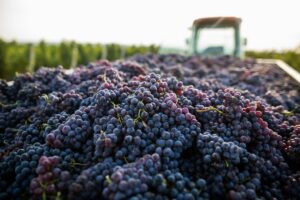
Tannins are a winemaker’s secret weapon for shaping structure, balance, and longevity in wine. They are naturally-occurring polyphenolic compounds found in grape skins, seeds, and stems, as well as in woods such as oak and chestnut. Properly chosen and applied, tannins enhance the natural characteristics imparted by Mother Nature and help winemakers bring out the best in their grapes.
Why Use Tannins?
Structure & Mouthfeel
Tannins bind with proteins and other compounds to create weight, texture, and length on the palate.
Stability
Their antioxidant properties protect color and aromatics, reducing the risk of premature aging.
Balance
Tannins smooth rough edges, reduce gaps in the palate, and harmonize aromas and flavors.
Aging Potential
By reinforcing structure, tannins prepare wines for longer maturation, whether in barrel or bottle.
Grape vs. Wood
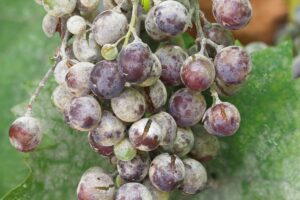
Extracted from skins, seeds, or grape stems, grape-derived tannins integrate naturally with the wine matrix. They are particularly effective at stabilizing color in reds by binding with anthocyanins. Grape tannins often reinforce structure and freshness while maintaining varietal character.
Wood-derived tannins provide tannins with different sensory contributions. They tend to add roundness, complexity, and aromatic notes such as spice, toast, or sweet wood. These tannins also have strong antioxidant capacity, protecting aromatics during storage and aging.
Fermentation vs. Finishing
Added before or during fermentation, fermentation tannins protect juice from oxidation, stabilize red color as it’s extracted from skins, and strengthen overall structure. Fermentation tannins are especially useful in weaker vintages where the fruit may not provide enough natural tannin on its own.
Added during aging or just before bottling, finishing tannins polish the wine by smoothing harsh edges, filling palate gaps, and lifting aromatics. Finishing tannins also provide an extra layer of antioxidant protection to help keep wines fresh through maturation and storage.
Rule of Thumb: Use fermentation tannins to build a strong foundation and finishing tannins to fine-tune balance and polish the wine before bottling.
Not Just for Red Wines
Tannins can play a valuable role in white wines too. In carefully measured doses, they protect against oxidation, preserve bright aromatics and fruit character, and can even reduce the need for added sulfur dioxide. The result is a fresher, more vibrant wine that holds up better over time. The key is precision: use small, trial-tested additions to maintain freshness without altering varietal character.
Best Practices
Trial First Every wine is different. Bench trials help identify the right tannin, the right timing, and the right dosage.
Right Time, Right Dose Fermentation tannins work best at the start, while finishing tannins are most effective closer to bottling.
Use Judiciously More isn’t always better. Small, well-timed additions often provide the biggest improvement.
Thing Long-term Consider not only how the wine tastes today, but how tannins will shape its evolution over months or years.
Whether from grape, oak, chestnut, or a thoughtful blend, tannins are among the most versatile tools available to winemakers. Used wisely, they create structure, preserve freshness, stabilize color, and build complexity—helping wines express both the character of the vineyard and the vision of the winemaker.
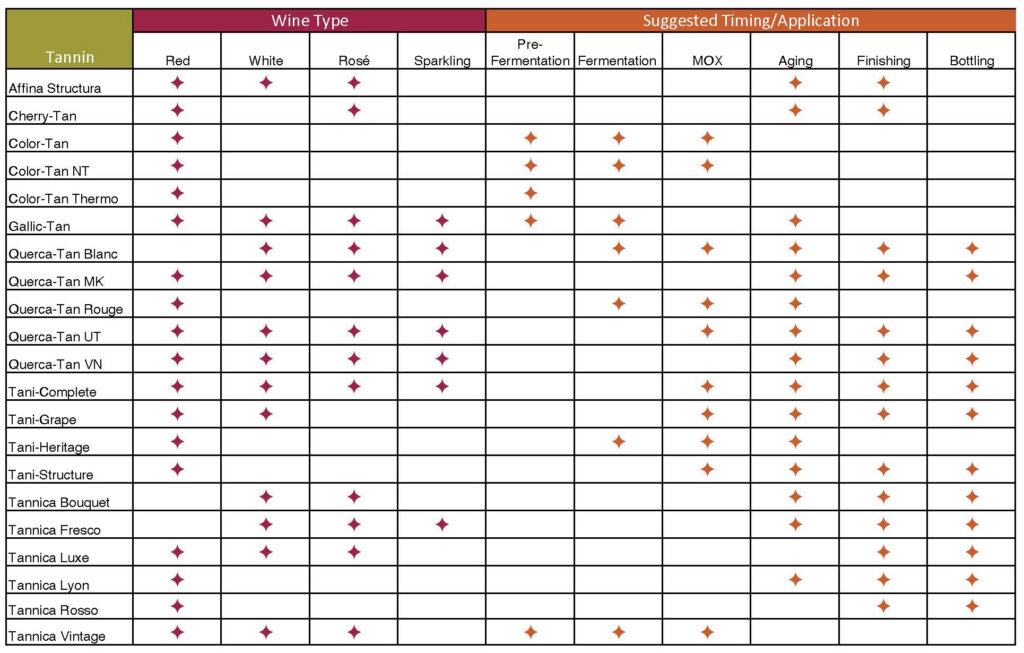
ATPGroup offers a full portfolio of tannins so you can match the right tool to the right winemaking challenge:
ATPGroup’s team of experienced winemakers and enologists can help you design a tannin program that fits your winemaking style, budget, and goals. For more information or trial samples, contact your ATPGroup Technical Representative or Enology Products Specialist or call (707) 836-6840.
Additional Winemaking Tips & Protocols:
Search by keyword:
See all
Microbial Control: Protecting Your Craft from the Inside Out