No Alcohol, New Risks: Rethinking Cleaning and Sanitation

As the demand for no- and low-alcohol wines continues to rise, many wineries are embracing this exciting opportunity to expand their portfolios and reach new consumers. However, producing these products introduces an important shift in how wineries must approach cleaning and sanitation as well as “food” safety.

Understanding the Loss of Alcohol as a Protective Barrier

Wine has long been considered a low food-safety risk due to several natural protective factors, most notably alcohol, low pH, and antimicrobial compounds. When alcohol is reduced or removed, one of these key barriers disappears, fundamentally changing the microbiological stability of the product. Low- and NA wines begin to behave more like ready-to-drink beverages or acidified juices, requiring a food-safety mindset aligned with modern beverage production.


Removing alcohol changes more than just the label.
It fundamentally shifts how these wines behave from a food safety standpoint.

Increased Risk of Food-Borne Pathogens

Without the antimicrobial effects of alcohol, the risk of microbial survival and growth increases significantly. Wineries must now consider food-borne pathogens that are typically not associated with traditional wine, including norovirus, listeria monocytogenes, and E. coli. These organisms are a particular focus for the FDA under the Food Safety Modernization Act (FSMA), making robust sanitation programs essential for regulatory compliance and consumer protection.

Why Standard Wine Protocols May No Longer Be Enough

Several factors unique to NA wine production elevate food-safety risks:

Higher Residual Sugar

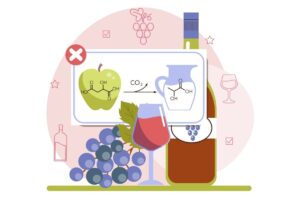
To rebuild body and mouthfeel after dealcoholization, many NA wines contain increased residual sugar, creating ideal conditions for microbial growth and potential re-fermentation. 

Reduced Effectiveness of Traditional Preservatives

Controls such as sulfur dioxide, which are effective in traditional wines, may not provide sufficient protection on their own in low-alcohol environments. 

Additional Processing Steps

Dealcoholization, blending, aroma re-addition, and increased handling introduce more opportunities for post-process contamination, particularly during filling operations. 
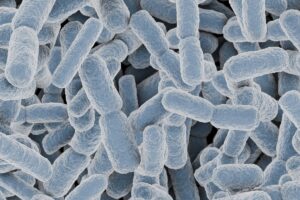
Each step of the winemaking process increases the risk of recontamination, especially during filling. Without alcohol as backup protection, sanitation failures can quickly become food safety issues.

FDA & FSMA Expectations

From a regulatory perspective, low- and NA wines:

  • Are not automatically considered low-risk;
  • Require a documented hazard analysis;
  • Must implement validated preventive controls, especially cleaning and sanitation;
  • Need measures to prevent post-process contamination. 

In this context, sanitation is no longer just a quality consideration; it becomes a core food-safety control.

Best Practices for Cleaning & Sanitation

To effectively manage these risks, wineries should adopt enhanced sanitation strategies:

✅ Develop Validated Sanitation Programs

  • Implement written, product-specific sanitation procedures.
  • Verify cleaning effectiveness through testing and documentation.
  • Maintain records suitable for audits and inspections.

✅ Ensure Proper Chemical Sequencing

  • Avoid incompatible chemical interactions, such as mixing acid residues with oxidizing sanitizers.
  • Use neutral water rinses and confirm effectiveness through pH or conductivity checks. 


✅ Focus on Biofilm Control

  • Increase cleaning frequency, especially in high-risk areas like fillers, valves, and dead legs.
  • Implement targeted strategies to prevent persistent microbial contamination. 

✅ Treat Fillers as High-Risk Zones

  • Apply sanitation standards similar to those used in soft drink or juice production.
  • Recognize that minor hygiene lapses can have significant food-safety consequences. 

✅ Use Multiple Protective Barriers

  • Combine sanitation with other controls such as filtration, preservatives, temperature management, or pasteurization. 

The Bottom Line

No- and low-alcohol wines represent an exciting frontier for the wine industry, but they are not simply traditional wines with less alcohol. They require a proactive, food-safety-driven approach to cleaning and sanitation. By strengthening cleaning and sanitation protocols and implementing validated preventive controls, wineries can confidently produce safe, stable, and high-quality NA wines.

As wineries navigate this evolving landscape, ATPGroup is here to help. We offer a comprehensive portfolio of Cleaning & Sanitation solutions, including:

  • CIP cleaners and tank sanitation products
  • No-rinse food-contact sanitizers
  • Biofilm control solutions
  • Verification tools to validate sanitation effectiveness
  • Expert guidance on sanitation program design and regulatory readiness

Our team of industry specialists understands the unique challenges of no- and low-alcohol wine production and is ready to support you with tailored recommendations that protect both your consumers and your brand. If you’re exploring or expanding no- and low-alcohol wine production, ATPGroup’s experts are here to help you design a sanitation strategy that meets both quality and regulatory expectations. For more information or to schedule a consultation, e-mail the expert at jplato@ATPGroup.com or call (707) 836-6840.

Additional Winemaking Tips & Protocols:

Search by keyword:

See all

Microbial Control: Protecting Your Craft from the Inside Out

Rethinking SO₂: Exploring Sulfur Alternatives

Cleaning & Sanitation for Dealcoholized Wines

Dealcoholized Wines

Malolactic Fermentation: Best Practices and Troubleshooting Tips

Tartrate Stability with CMC

View all Winemaking Tips & Protocols: