Building a Multi-Pronged Strategy
SO₂ alternatives aren’t about a one-for-one substitution. Rather, they require a holistic approach that considers all phases of production: vineyard management, processing hygiene, fermentation control, and stabilization strategies. Here are several categories of solutions winemakers can use to support sulfur reduction:
Chitosan-Based Microbial Control
Derived from the fungus Aspergillus niger, chitosan is a high molecular weight biopolymer that offers selective antimicrobial action, particularly against spoilage organisms such as Brettanomyces, Acetobacter, and Lactobacillus. Unlike SO₂, chitosan is non-oxidizing and doesn’t bind with anthocyanins or aroma compounds, making it a valuable tool for sensitive varietals.
Vin-Chito, available from ATPGroup, is a high-purity chitosan approved for use in both red and white wines. It can be used during aging or prior to bottling, offering a clean and effective microbial control method without altering the wine’s sensory profile.
Tannin-Based Oxidation Management
Tannins aren’t just for mouthfeel; they’re powerful antioxidants. Select enological tannins can consume oxygen and neutralize oxidative enzymes, helping reduce the need for sulfur at crush or prior to bottling. ATPGroup offers a range of gallotannins, ellagitannins, and condensed tannins, each with distinct antioxidant and antimicrobial properties. These can be used in combination with lees stirring or inert gas management to preserve freshness and extend shelf life.
Enzymatic Tools for Stability
The right enzymes can support sulfur reduction by improving clarity, reducing microbial habitats, and enhancing aromatic expression. For instance, pectinases and glucanases can help minimize haze-forming compounds and improve filterability, thereby limiting spoilage risks during aging and bottling. Cold-active enzymes also allow for lower fermentation temperatures and cleaner musts; factors that contribute to a more controlled microbial environment.
Bioprotection During Fermentation
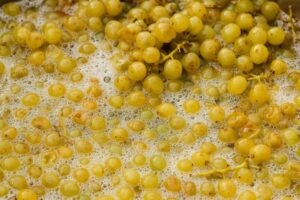
Using selected non-Saccharomyces yeast strains at the onset of fermentation can help outcompete spoilage organisms in the early stages of winemaking, reducing the need for early SO₂ additions. These strains contribute to aroma complexity while stabilizing the microbial population. When paired with appropriate nutrition and oxygen management, bioprotection strategies can significantly reduce SO₂ inputs without increasing risk.
Hygiene and Process Control
Perhaps the most overlooked “SO₂ alternative” is cellar hygiene. Investing in effective cleaning and sanitation protocols such as ATPGroup’s non-chlorine alkaline cleaners or acid CIP solutions can dramatically reduce microbial pressure throughout the cellar. Cleaner tanks, hoses, and fittings mean less risk, and less need for chemical protection.
Takeaways for the Modern Cellar
Reducing SO₂ in winemaking doesn’t have to mean accepting instability or sacrificing shelf life. Instead, it invites a more deliberate approach—leveraging a suite of microbiological, enzymatic, and antioxidant tools to build stability from the ground up.
At ATPGroup, we work with winemakers across North America to tailor strategies that reflect the specific goals of each cellar, whether that’s lowering total SO₂, meeting export requirements, or producing wines with a “natural” signature.
With the right tools, reducing SO₂ is no longer a compromise; it’s an opportunity for innovation.
For more information or for help choosing the right solution for your wine, please contact your ATPGroup Enology Products Specialist or call (707) 836-6840.